
For those of you in the Northern Hemisphere… have a lovely summer!
20 Jun 2012
For those of you in the Northern Hemisphere… have a lovely summer!
19 Jun 2012
Our team has used ClickTale with several of our projects over the years. We’re excited to see that they’re expanding their feature set so that you can watch how people are using your site on a mobile device.
19 Jun 2012
We try not to spend money on things that don’t matter to customers. Frugality breeds resourcefulness, self-sufficiency and invention. There are no extra points for headcount, budget size or fixed expense.
Some food for thought.
7 Jun 2012
Programmer Robby Russell began exploring the framework just over a year ago. Within weeks, he was hooked and evangelical; he launched a crusading blog, “Robby on Rails,” and realigned his consultancy, Portland, Ore.-based Planet Argon, to work exclusively on Rails development and hosting.
It's crazy to think that this was written over six years ago.
4 Jun 2012

Dear WebEX,
We’ve been testing out a few conference systems and first went with WebEX as several of our clients/partners seem to use it, but after a few calls, it seemed like a lot of moaning and groaning on our end about having to navigate their UI.
We’ve since settled on GoToMeeting as their tools/interface feel much easier to interact with.
So, today… I went through your cancellation process, which required me to call and wait on hold for 20 minutes, talk with one of your agents, explain why we wanted to cancel, turn down their offer for free training of using their tool, and eventually wait for my confirmation email. I’ve gone ahead and provided it for you.
I’ll give you some credit though. When I first compared WebEX vs GoToMeeting, I found your marketing/sales pitch to be more compelling, so pulled my credit card out for you first. However, once you gave me access to my new account, It was nothing but headaches and annoyances for the team. Very difficult tools to interact with… the epitome of a web tool designed by technical people who lack much empathy for the end-user. I worry that you’re losing a lot of customers for similar reasons… and would encourage you to have some of your usability experts focus on your online scheduling/planning tools as it was too painful for us to work with.
Sincerely,
$FIRST_NAME
1 Jun 2012
Ultimately, the organization’s instinct is to protect the ground that’s already been taken rather than take new ground. Every organization begins as an advance force and ends up as an occupying force.
30 May 2012
Bryson Meunier has posted an article that outlines some rationale for why some businesses, such as restaurants, are better off with a mobile-specific version of their site instead of a responsive one.
29 May 2012
via Adaptive Path’s blog post, Better Revenue Through UX
29 May 2012
Beyond the baseline demographic data of age, race, sex, location etc, we should ponder some questions: Who are they? How are they? How well do they sleep? Are they anxious? Are they extroverts displaying their digital peacock feathers? Are they introverts who can socialize but head home early because their feet hurt and they’d rather read a book? Are 52% of them introverts who live voyeuristically through the safety of glowing screens? What is it that they want? Can we provide for them? Do we have to?
It sounds like Dave had a lovely weekend down in Palm Springs and busted out this thought-provoking post about Facebook's recent IPO and what they are likely going to need to focus on as a business... while raising a lot of good questions for us all to ponder.
29 May 2012
Our team is currently working on a series of white papers and have just finished our first one, which introduces businesses to two strategies for designing and developing a site that targets mobile traffic.
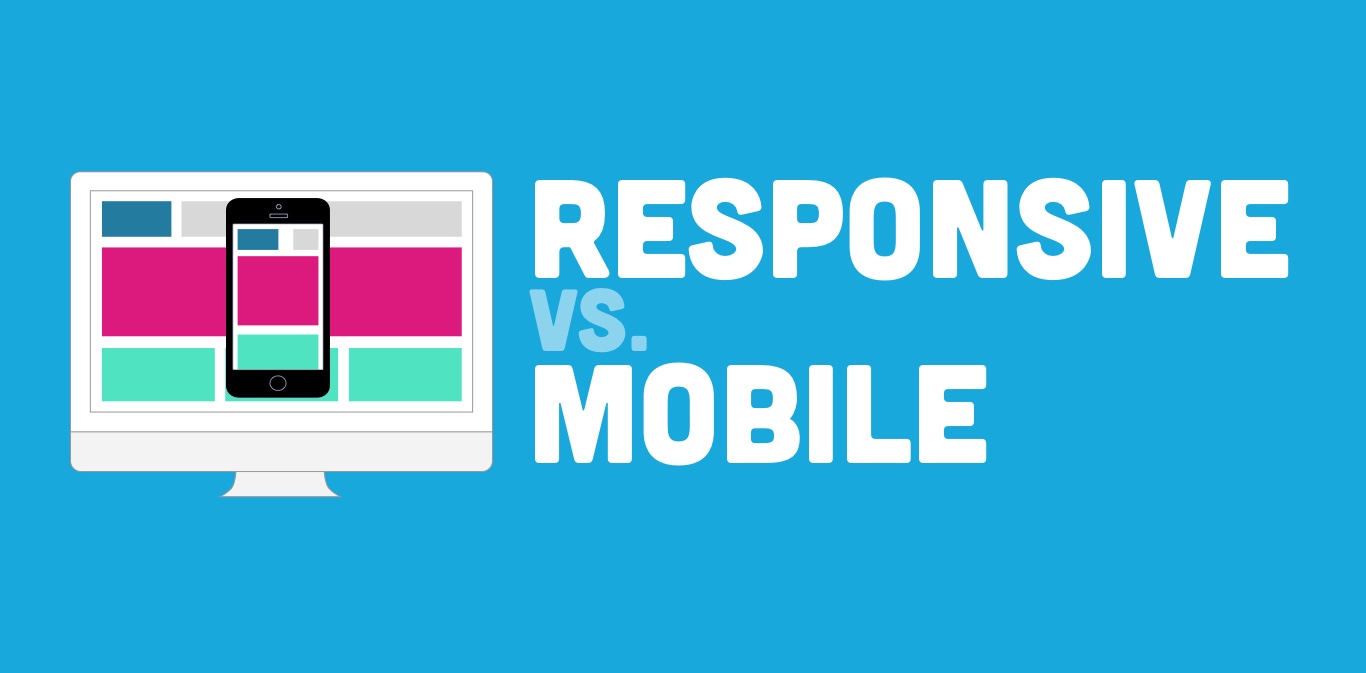
Given that we've approached several projects from both angles, we felt that it would be worthwhile to share our experiences of each with you.
You can now get our white paper, "Responsive Design vs Mobile Site" on "our new white papers page":http://planetargon.com/white-papers/responsive-design-vs-mobile-site.
Have a project that needs help?